
How New BHSA Funding Requirements are Reshaping Behavioral Health Financing for California Counties
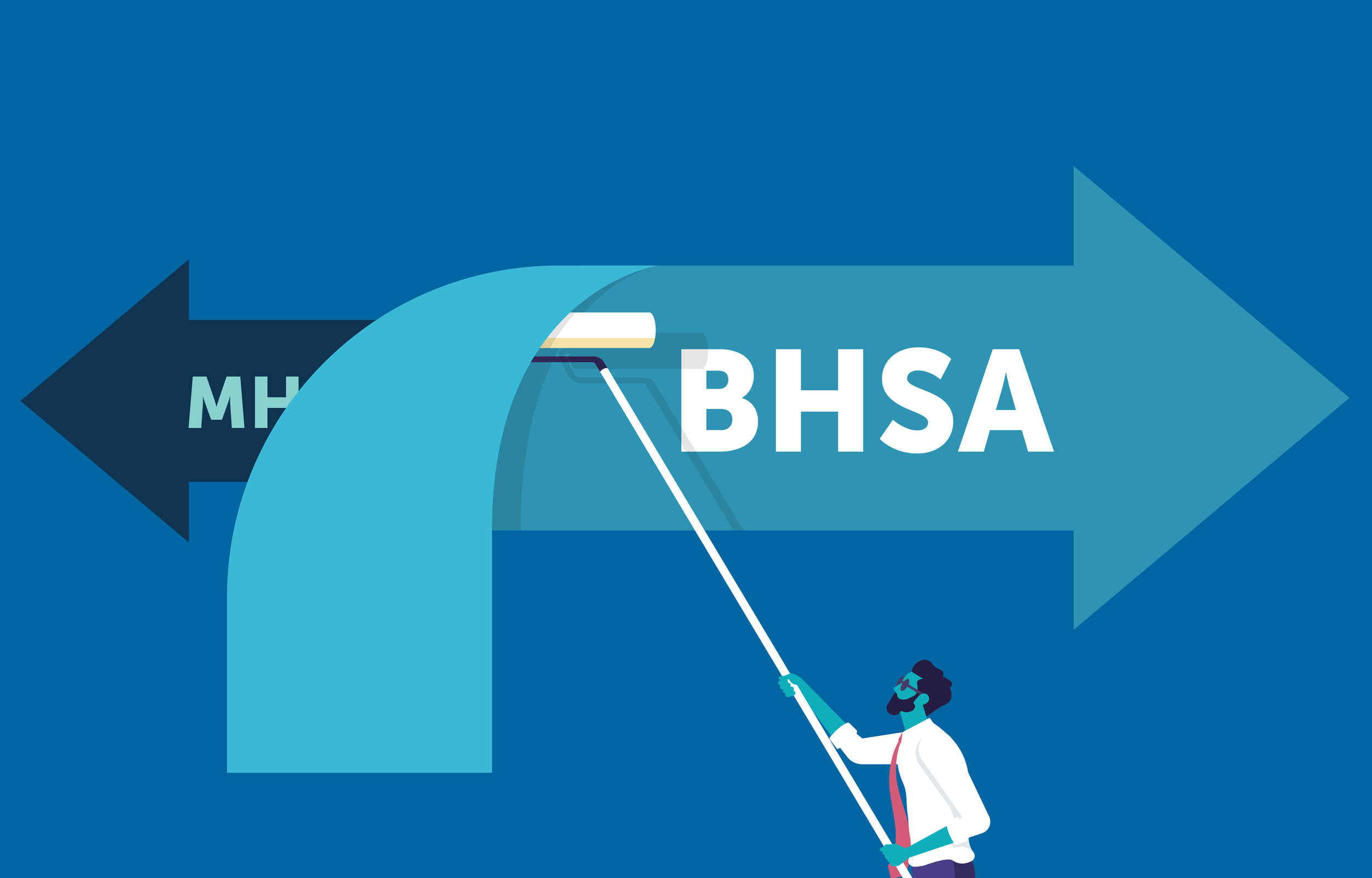
California’s transition from the Mental Health Services Act (MHSA) to the Behavioral Health Services Act (BHSA) marks one of the most significant changes to the state’s public behavioral health system in more than two decades. While much attention has focused on new planning requirements and programmatic changes, BHSA also fundamentally changes how counties can use their behavioral health funding.
This blog highlights several of the most significant funding changes and what they may mean for counties as they implement BHSA over the next three years.
For a deeper look at the transition from MHSA to BHSA — including an infographic illustrating the new funding structure — explore Aurrera Health Group’s series of primers developed in partnership with the California Health Care Foundation.
The Funding Source Hasn’t Changed, But County Resources Have Changed
Like MHSA, BHSA is funded through a one-percent tax on personal income over $1 million. While the revenue source remains the same, the way those funds are distributed has changed.
Under BHSA, the state’s share of funding increases from 5 percent to 10 percent to support statewide priorities, including behavioral health prevention initiatives and workforce development. As a result, counties will receive a smaller share of overall BHSA revenue than they did under MHSA.
For counties already balancing growing demand for behavioral health services with constrained resources, this shift makes strategic planning and resource allocation even more critical.
Funding Must Be Directed Toward Statewide Priorities
BHSA establishes more prescriptive funding requirements than MHSA.
The law prioritizes investments that serve people with the greatest behavioral health needs, including individuals with serious mental illness or substance use disorders who are experiencing, or are at risk of, homelessness, hospitalization, institutionalization, or justice involvement.
To support these priorities, counties are required to dedicate funding to specific categories, including Housing Interventions, Full-Service Partnerships, and Behavioral Health Services and Supports. Compared with MHSA, counties have less flexibility to determine how behavioral health dollars are allocated across local priorities.
Counties Will Face Greater Expectations for Transparency and Accountability
BHSA expands expectations for how counties demonstrate the impact of their behavioral health investments.
Counties must now present a comprehensive picture of behavioral health financing across all funding sources — including Medi-Cal, Medicare, local funds, grants, and BHSA — not just BHSA expenditures. At the same time, new statewide performance measures will place greater emphasis on demonstrating outcomes alongside spending. This broader view of financing creates new opportunities to improve transparency while also increasing expectations for planning, reporting, and performance management.
Reduced Flexibility May Create New Fiscal Challenges
Historically, MHSA funding has allowed counties to address emerging community needs and fill gaps that other funding sources could not support.
BHSA’s more defined funding requirements may limit counties’ ability to respond quickly to changing fiscal conditions or evolving community priorities. As counties navigate uncertainty, including potential federal Medicaid policy changes and ongoing state budget pressures, they may have fewer discretionary resources available to address unexpected challenges. This makes coordinated financing strategies and thoughtful implementation planning more important than ever.
Looking Ahead
County Integrated Plans for the first BHSA planning cycle (July 2026 through June 2029) are now providing the first detailed look at how counties are adapting to the law. As these plans become publicly available through the Department of Health Care Services’ County Public Profiles, they will offer valuable insight into how counties are balancing new statutory requirements with local priorities.
Implementation is still in its early stages, and counties will continue refining programs, partnerships, and financing strategies as BHSA evolves. Understanding these funding changes will be essential for county leaders, providers, managed care plans, and community organizations working to supportsuccessful implementation.
Learn More
Aurrera Health Group partners with counties, providers, health plans, foundations, and state agencies to navigate complex behavioral health policy and implementation challenges. Our team provides strategic policy analysis, stakeholder engagement, implementation support, and technical assistance to help organizations successfully adapt to California’s evolving behavioral health landscape.
To learn more about our BHSA expertise or discuss how we can support your organization, contact Allison Homewood.
Authors
![Allison Homewood [Managing Principal]](https://images.squarespace-cdn.com/content/v1/66902b12f1fed363b0b53399/1749568280778-QBJ2HN1GK95V0SLBZFBX/Allison+Homewood.jpg)
![Devin McBrayer [Director]](https://images.squarespace-cdn.com/content/v1/66902b12f1fed363b0b53399/1749578802797-7L2NR05E085ECISRAEKO/Devin+McBrayer.jpg)