
Making Opioid Settlement Dollars Count: Five Strategies for Effective State–Local Engagement

The national opioid settlements present a historic opportunity: billions of dollars to states and local governments over the next two decades to support prevention, treatment, overdose prevention and response, and recovery. Realizing the full potential of this investment requires more than funding alone, it depends on clear communication, strong partnerships and intentional collaboration across state and local levels.
When the initial settlements were finalized in 2022, most states opted to direct some funds to statewide initiatives and allocate a significant portion to cities, counties and other local government jurisdictions. In many states, a statewide agency such as the Department of Justice, or the Department of Health and Human Services has spending oversight authority. As a result, state government agencies play a critical role in helping local governments translate settlement resources into meaningful, lasting impact. Building on emerging best practices from across the country, the following five strategies highlight how states can strengthen stakeholder engagement and support effective opioid settlement implementation.
1. Set a Clear Foundation with Training and Guidance:
Recurring trainings and easy-to-use guidance help local governments understand allowable uses, reporting requirements, and new settlement developments. A shared baseline of knowledge reduces confusion, supports implementation through staff transitions, and ensures funds are used as intended.
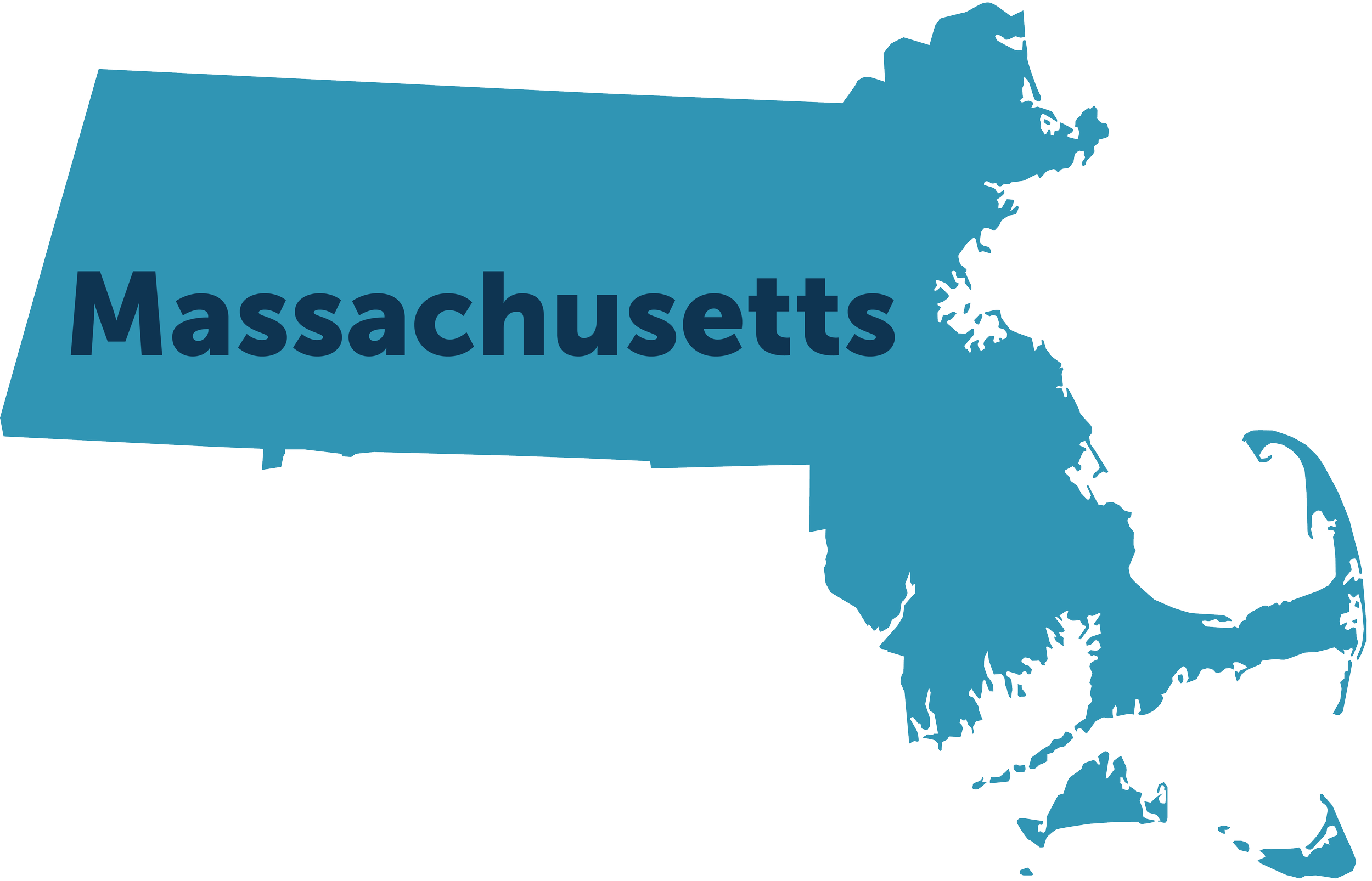
State Highlight – Massachusetts: Through RIZE, the state’s opioid settlement hub, municipalities have access to a consistent framework, tools, trainings, and resources to manage and maximize opioid settlement funds. The hub provides a shared foundation and ensures guidance is accessible regardless of a municipality’s size or capacity.
2. Provide Ongoing Technical Assistance:
Virtual office hours or technical assistance sessions offer the opportunity to provide real-time assistance as local governments navigate reporting forms, interpretations of allowable uses, and new settlement updates. These forums can help address frequently asked questions and offer timely clarification and guidance.
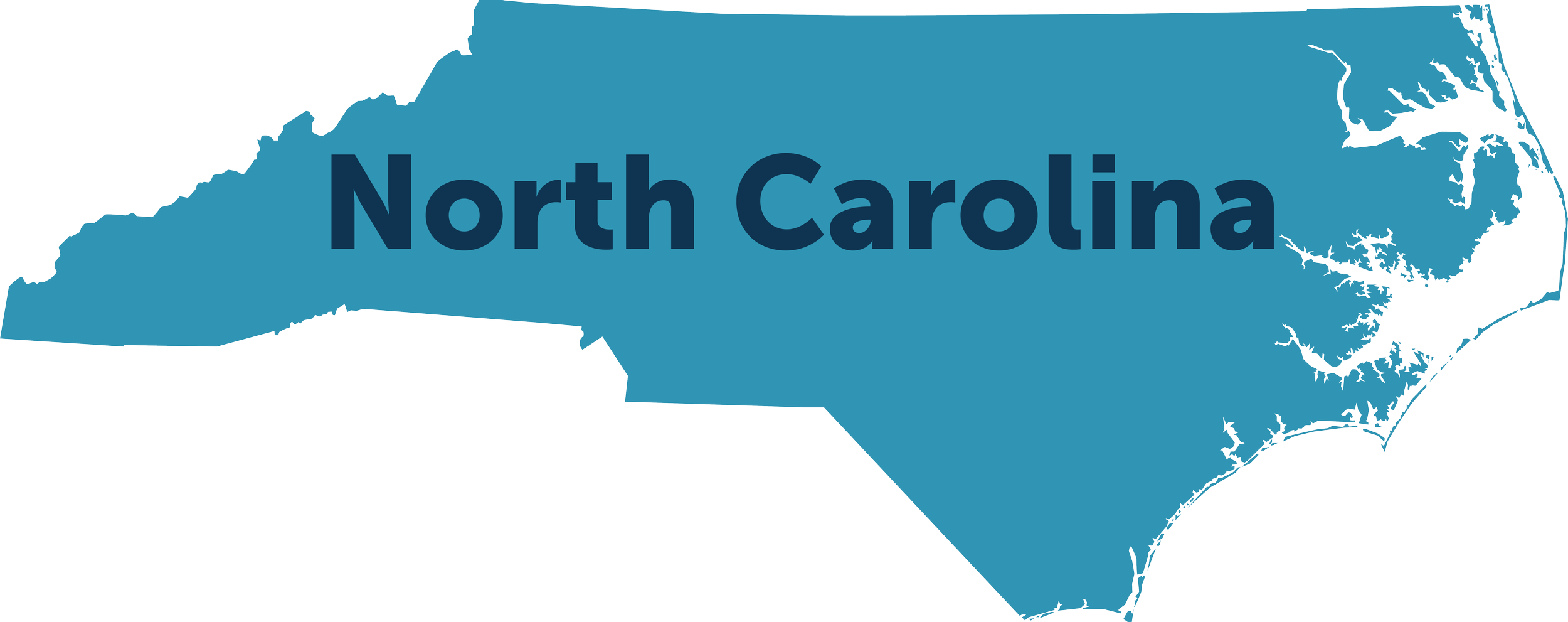
State Highlight – North Carolina: Local governments receiving opioid settlement funds may apply to the Opioid Settlement Academy, which supports jurisdictions in implementing or expanding opioid settlement strategies through in-person trainings and virtual coaching.
3. Create Feedback Loops:
Surveys and listening sessions help states understand what’s working and what isn’t. Regular feedback allows states to adapt guidance, tools, and technical assistance to meet evolving local needs.
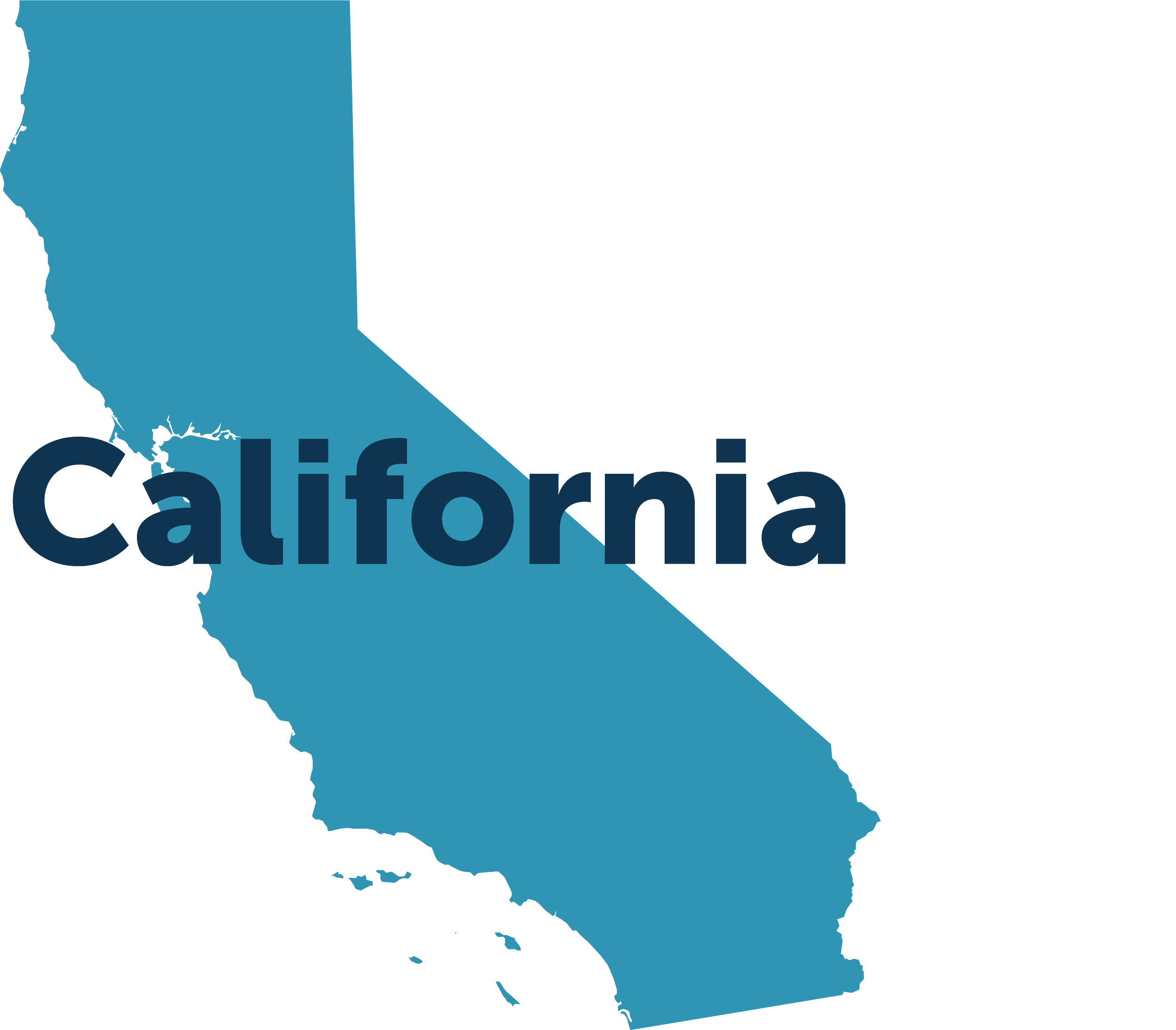
State Highlight – California: Local governments receiving opioid settlement funds are invited to complete an annual technical assistance survey, which helps identify barriers to managing and reporting funds, and allows the state to tailor resources to address common challenges.
4. Highlight What Works:
Sharing innovative and evidence-based strategies through webinars, communities of practice, and annual reports helps local governments learn from one another and prioritize high-impact investments.

State Highlight – Tennessee: Through a contract with Tennessee’s Opioid Abatement Council, the University of Tennessee Institute for Public Service’s SMART Initiative provides technical assistance to counties and highlights opioid abatement strategies each quarter, showcasing how local governments are implementing evidence-based solutions with settlement funds
5. Strengthen State-Local Partnerships:
When states position themselves as partners – not just monitors – local governments are better equipped to use settlement funds effectively and transparently.
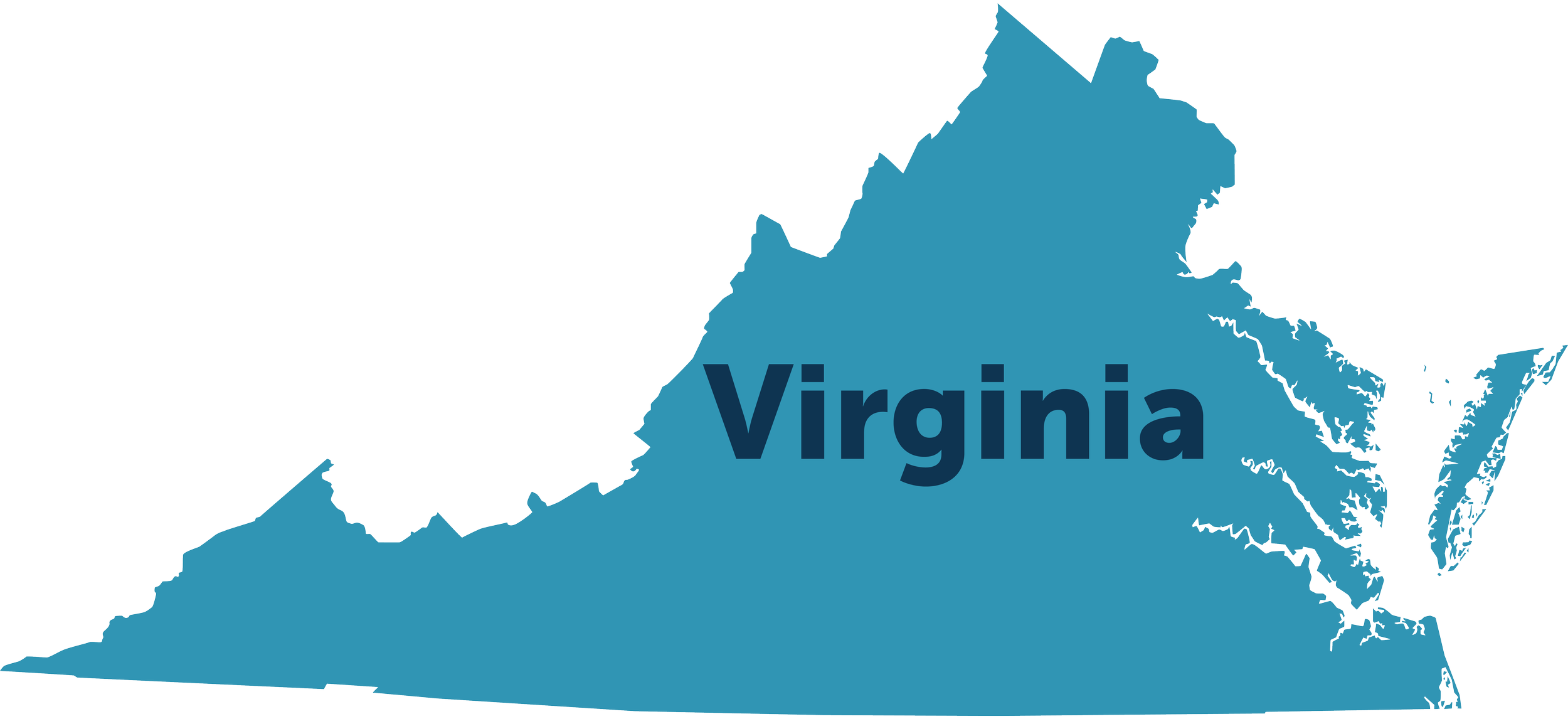
State Highlight – Virginia: The Virginia Opioid Abatement Authority (OAA) is an independent entity established to help disseminate settlement funds to address the opioid crisis with a specific focus on building partnerships between Virginia’s cities and counties, state agencies, and providers. With its collaborative approach, many cities and counties have elected to adopt the OAA’s “Gold Standard” set of principles to guide the use of opioid settlement funds.
The availability of opioid settlement funds represent a rare opportunity to meaningfully abate the opioid crisis. States that invest in intentional stakeholder engagement are better positioned to ensure these dollars deliver lasting results.
At Aurrera Health Group, we help states build practical, responsive stakeholder engagement and technical assistance programs that support transparency, maximize impact, and strengthen state–local collaboration. As states advance their opioid settlement stakeholder engagement work, our firm is ready to support your efforts to promote transparency, maximize impact, and ensure that these critical funds are used effectively.
Author
![Abena Asare [Senior Policy Consultant]](https://images.squarespace-cdn.com/content/v1/66902b12f1fed363b0b53399/1749568178344-6QS8LD8KPYS0XD1YHBY5/Abena+Asare.jpg)