
Beyond the Award: How States Are Using Stakeholder Engagement to Drive Rural Health Transformation

Last month, the Centers for Medicare & Medicaid Services (CMS) announced 50 state awards for the Rural Health Transformation Program (RHTP), which will allot $50 billion to transform rural health care delivery across the country. Through the RHTP, CMS is funding state initiatives that aim to improve access to health care in rural geographies, as well as test new models, improve quality of care, develop the workforce, and invest in new technologies.
Stakeholder engagement is a foundational condition of the RHTP, with CMS requiring states to meaningfully engage a range of stakeholders before applying, during implementation, and throughout the five-year program period. How states met this requirement directly affected application scoring, as CMS rewarded states that demonstrated engagement with providers, community organizations, Tribal partners, and residents – signaling that stakeholder input is not a procedural box to check, but a core driver of program design and long-term success.
Ongoing Stakeholder Engagement Requirements
CMS expects states to establish formal governance structures (e.g., advisory councils or stakeholder task forces), regular communication (stakeholder meetings and public updates), and two-way accountability (states adopting changes to implementation based on stakeholder feedback). Successful engagement will include early and inclusive outreach, formal tribal consultation, standing advisory bodies, and clear plans for ongoing dialogue and transparency. Per CMS, stakeholder engagement is how RHTP moves from a funding program to a system transformation effort.
RHTP funding will be recalculated annually, and CMS has indicated that they may consider how well states are following through on stakeholder engagement commitments when assessing future funding. Given this emphasis, stakeholders should actively seek out meaningful opportunities to engage, as their perspectives can influence both how RHTP dollars are allocated and how programs are ultimately shaped and implemented.
Spotlights of Stakeholder Voices Shaping RHTP
States are using several methods to engage their rural stakeholders including convenings (online and in-person), targeted outreach and engagement, and advisory committees. Examples of planned engagement include:
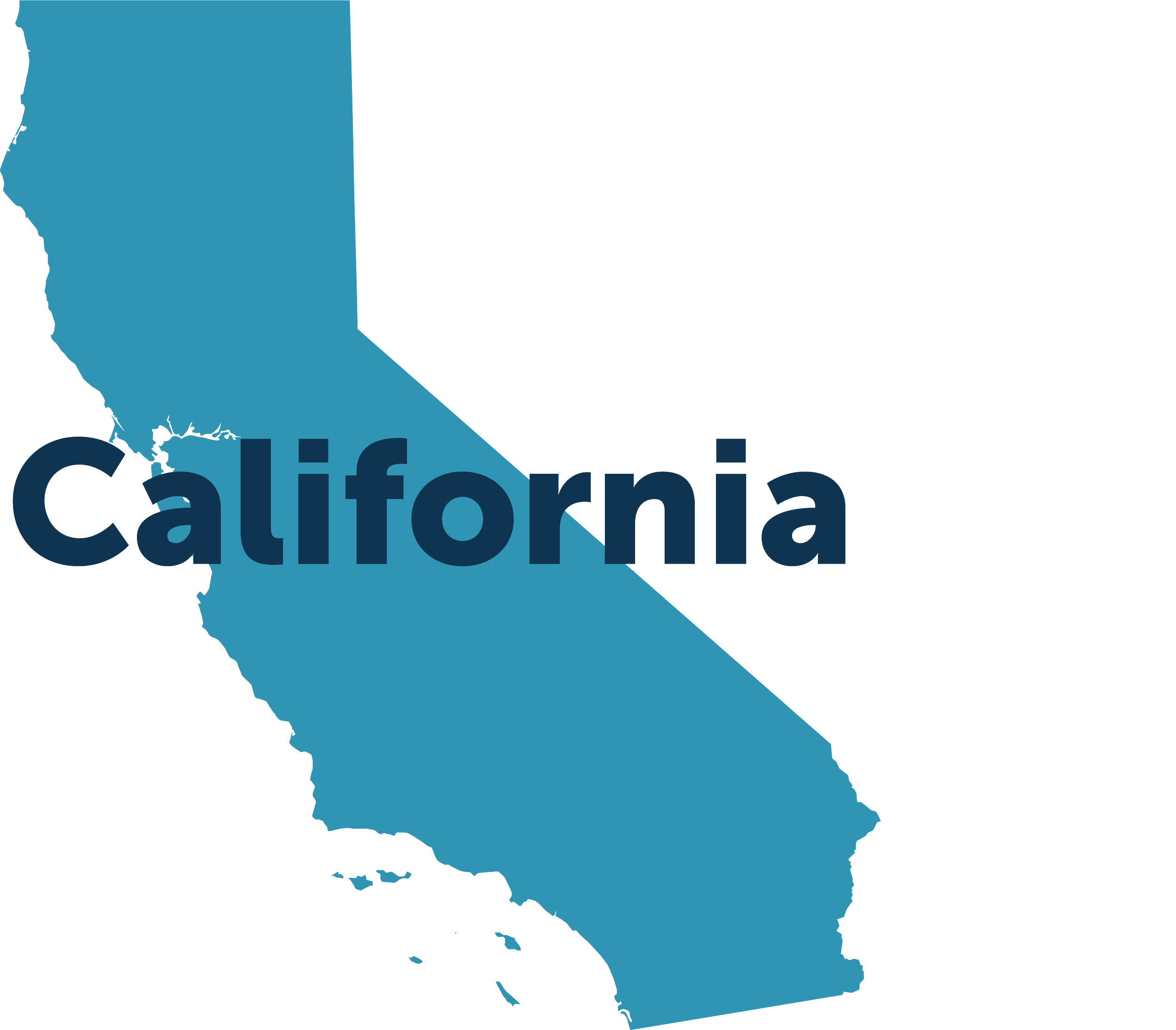
California will continue stakeholder engagement throughout RHTP implementation through formal structures like the Rural Health Policy Council, which will meet quarterly to advise the state on program progress, policy alignment, and financing and delivery reforms. Stakeholders can engage directly by participating in grant and Request for Applications processes, technical assistance sessions, workgroups, and ongoing Tribal consultation, helping shape how programs are designed and implemented on the ground. Rural providers, community organizations, local governments, and Tribal partners can stay involved by monitoring state updates and public briefings, where continued feedback will influence funding decisions and the flow of RHTP dollars statewide.

Alaska will provide stakeholders with RHTP updates, technical assistance and grant opportunities including follow-up Requests for Information beginning in spring 2026, participation in regionally designed initiatives, and collaboration with the State on workforce, access, and technology projects tailored to rural and frontier communities. Stakeholders can also expect opportunities to engage through community-led regional planning workshops during spring/summer 2026, along with virtual webinars, in-person convenings, and targeted outreach.

Colorado stakeholders can engage directly by participating in RHTP Advisory Committee activities, attending public meetings, and working with regional partners involved in implementing initiatives to strengthen rural hospitals, expand specialty access via telehealth, and support older adults and individuals with chronic conditions. Stakeholders can also respond to forthcoming grant opportunities, technical assistance offerings, and targeted outreach efforts as the program is implemented.
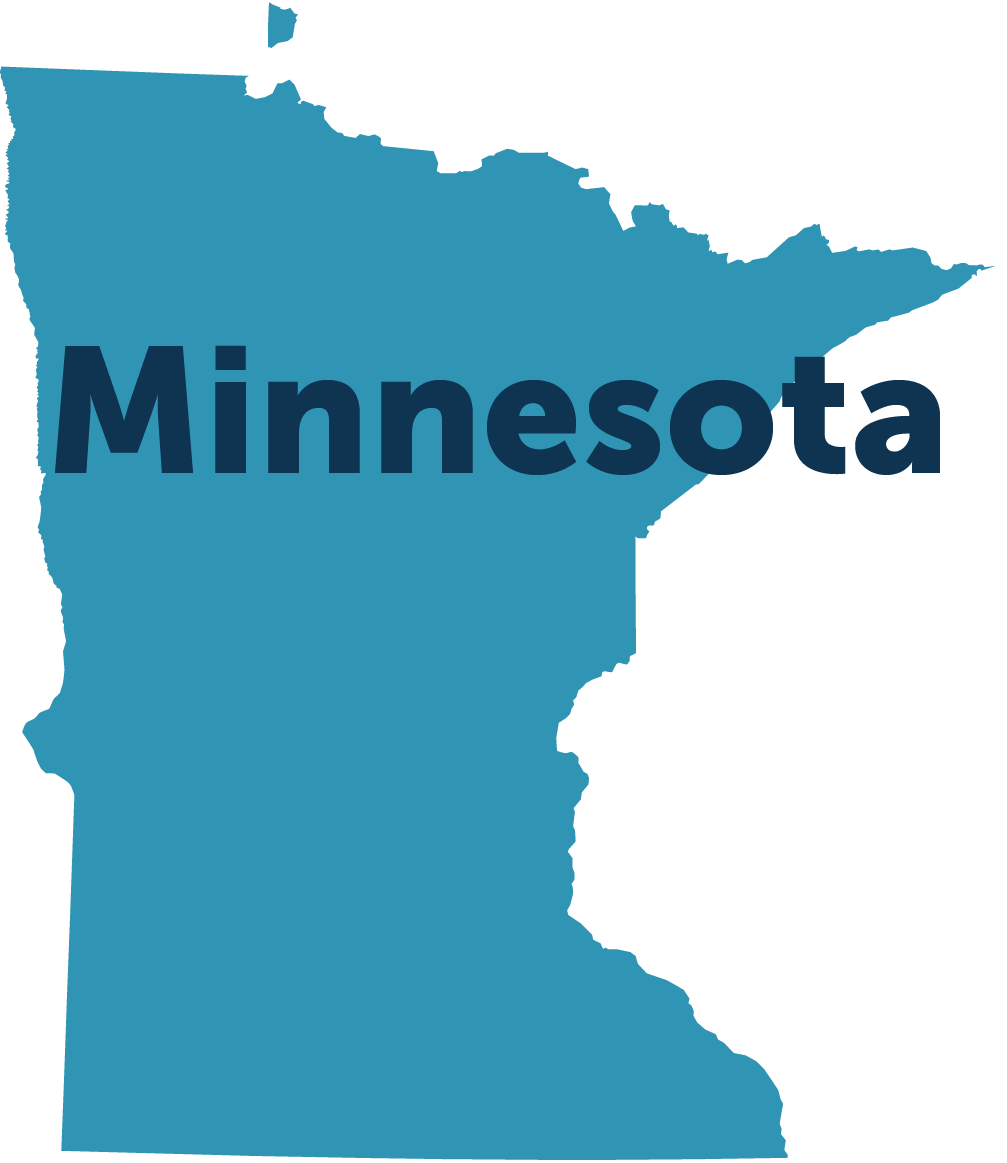
Minnesota will continue stakeholder engagement during RHTP implementation through ongoing involvement with existing advisory councils and committees, including rural health, hospital, e-health, workforce, and Tribal advisory bodies that will help guide program priorities and oversight. Stakeholders can get involved by participating in future webinars, learning collaboratives, regional meetings, and public feedback opportunities, as well as by responding to competitive funding opportunities and technical assistance offerings.
Aurrera Health looks forward to partnering with states and other stakeholders to identify and implement strategies that support the RHTP goals of improving care for rural communities. If you would like to discuss how we can help, please reach out to Lauren Block.
Author
Alisa Chester contributed to this article during her tenure at Aurrera Health Group.