
Self-Direction Is Growing. How Might H.R. 1 Shape Future Investment?
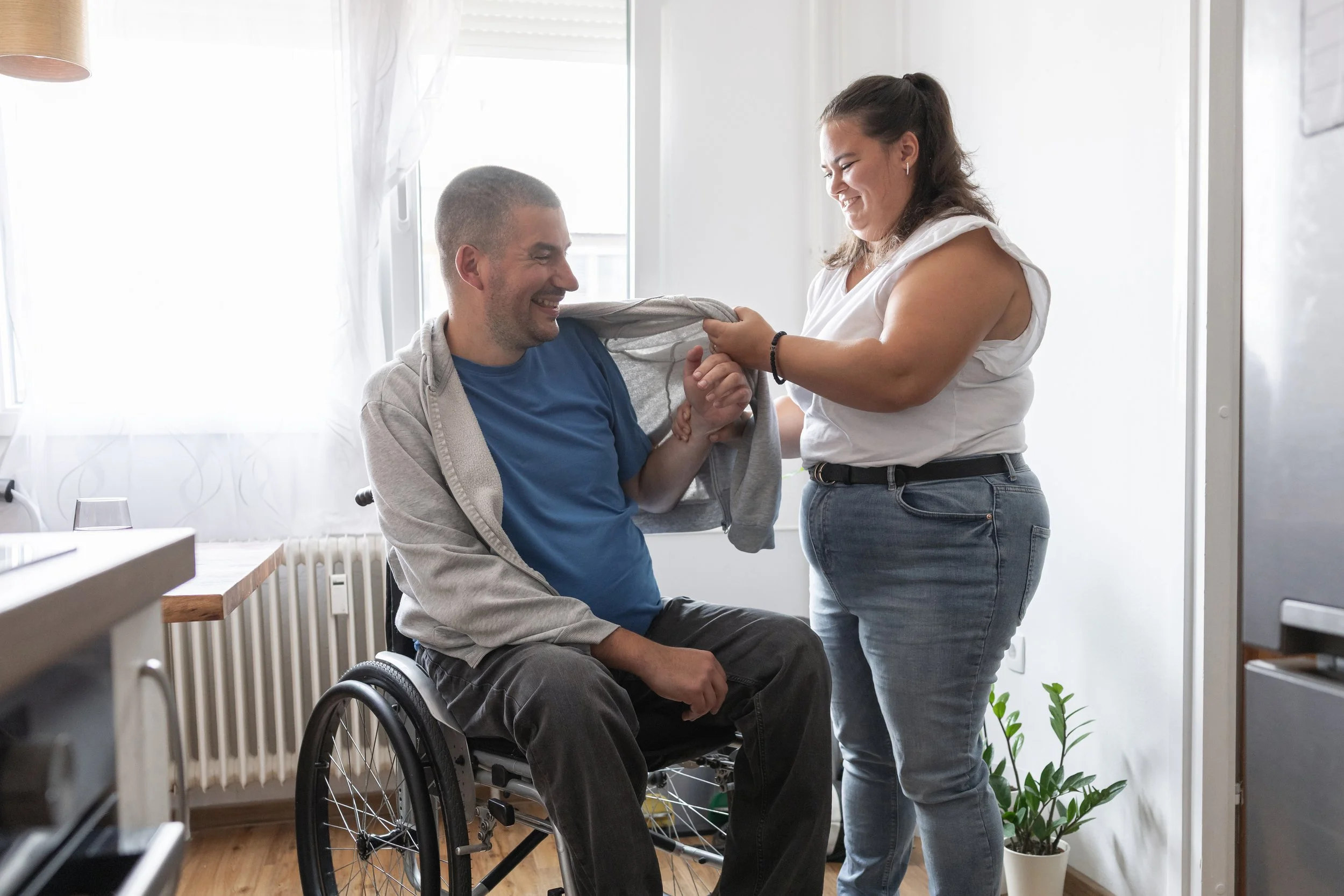
As the population ages and demand for home and community-based services (HCBS) continues to grow, self-direction programs increasingly appeal to states as a pathway to promote autonomy, while also helping alleviate gaps in access from a shortage of direct care workers. Self-direction is a delivery model that allows individuals receiving HCBS to choose their providers and have more control over the amount, duration, and scope of services and supports in the person-centered service plan that guides their care.
As states implement H.R. 1’s new requirements, they may need to balance new demands with ongoing investments in HCBS and self-direction.
How are states currently expanding self-direction program enrollment and infrastructure?
Self-direction program enrollment among individuals receiving Medicaid- and non-Medicaid-covered HCBS increased 34 percent from 2023 to 2026, building from a 23 percent increase from 2019 to 2022. Arizona, Florida, and Ohio experienced the highest growth in self-direction program enrollment in the past three years; California continues to have the most self-directed enrollees.
Some of these states have implemented programs or operational changes to minimize barriers for direct care workers. For example, Arizona launched a Licensed Health Aide program, which allows family members to be professionally trained, licensed, and paid to provide nursing-related care to children with complex care needs using nurse delegation. Ohio established process changes to reduce onboarding time for both individuals receiving HCBS and direct care workers. Other states, such as Florida, created a new Section 1915(c) waiver that offers self-direction to those with intellectual and developmental disabilities (I/DD).
During the COVID-19 public health emergency (PHE), the direct care workforce crisis intensified as demand for HCBS grew and keeping individuals out of nursing homes became critical. The American Rescue Plan Act of 2021 (ARPA) gave states about $37 billion to strengthen Medicaid HCBS. Many used it to shorten waiver waitlists and expand programs, including self-direction. For example, Maine used ARPA funding to operate a Self-Directed Care (SDC) Pilot Program from July 2024 to March 2025. Maine also launched a new Section 1915(c) waiver (approved July 2026), which includes expanding opportunities for self-direction, for individuals with I/DD, Autism Spectrum Disorder, and other related conditions.
In this past decade, states have also made progress toward strengthening program integrity of self-directed HCBS, including with the implementation of electronic visit verification (EVV) systems for Medicaid personal care services and home health care services. EVV is a federally mandated system for self-direction programs that electronically records when, where, and by whom a service is provided.
How will recent policy developments impact continued growth in self-directed programs?
A changing federal policy and fiscal environment may affect states’ capacity to sustain and expand HCBS and self-direction, including the increased focus on program integrity. Because Medicaid is the largest payer of HCBS and self-direction, constraints on state investment could affect the growth of self-directed services and the choices available to people who use HCBS.
Recent policy changes may place competing demands on state budgets and staff. As states prepare to implement new requirements across their Medicaid programs, they may have less capacity to invest in or expand HCBS, including self-direction. H.R. 1 requires states to implement new community engagement and redetermination requirements for certain Medicaid adults beginning in 2027. In addition, H.R. 1 adds budget neutrality for Medicaid Section 1115 demonstration projects as a new statutory requirement, establishing a new Chief Actuary certification for budget neutrality prior to approval of Section 1115 extensions and amendments. The Centers for Medicare & Medicaid Services (CMS) released additional subregulatory guidance in June 2026, which introduces a new budget neutrality framework and methodology to facilitate the Chief Actuary’s certification of budget neutrality. As states prepare to implement new requirements across their Medicaid programs, they may have less capacity to invest in or expand HCBS, including self-direction.
H.R. 1 also includes provisions that could expand states’ options for HCBS. H.R. 1 established the Section 1915(c)(11) waiver—a new pathway for Medicaid HCBS that is available to individuals who do not meet an institutional level of care starting in 2028. Though its potential to create more waiver slots on current Section 1915(c) waivers remains uncertain, the new waiver option provides opportunities for states to have more design choices to structure their HCBS programs—including self-directed HCBS programs—and the populations they serve.
How can states consider self-direction amidst an evolving policy landscape?
As states adapt to compressed budgets and changing Section 1115 budget neutrality requirements, policymakers and stakeholders can consider self-direction as a model to continue rebalancing LTSS, support individual choice and control, and potentially achieve long-term savings.
As federal guidance takes effect, states’ decisions—guided by careful planning, stakeholder engagement, and support for HCBS and self-direction—can help ensure older adults and people with disabilities face minimal barriers while also supporting states to mitigate the direct care workforce shortage. For more information on how we can help your organization navigate federal policy changes, please contact Kristal Vardaman.
Authors
