
From Stigma to Support: Improving Care for Pregnant and Parenting People with SUD
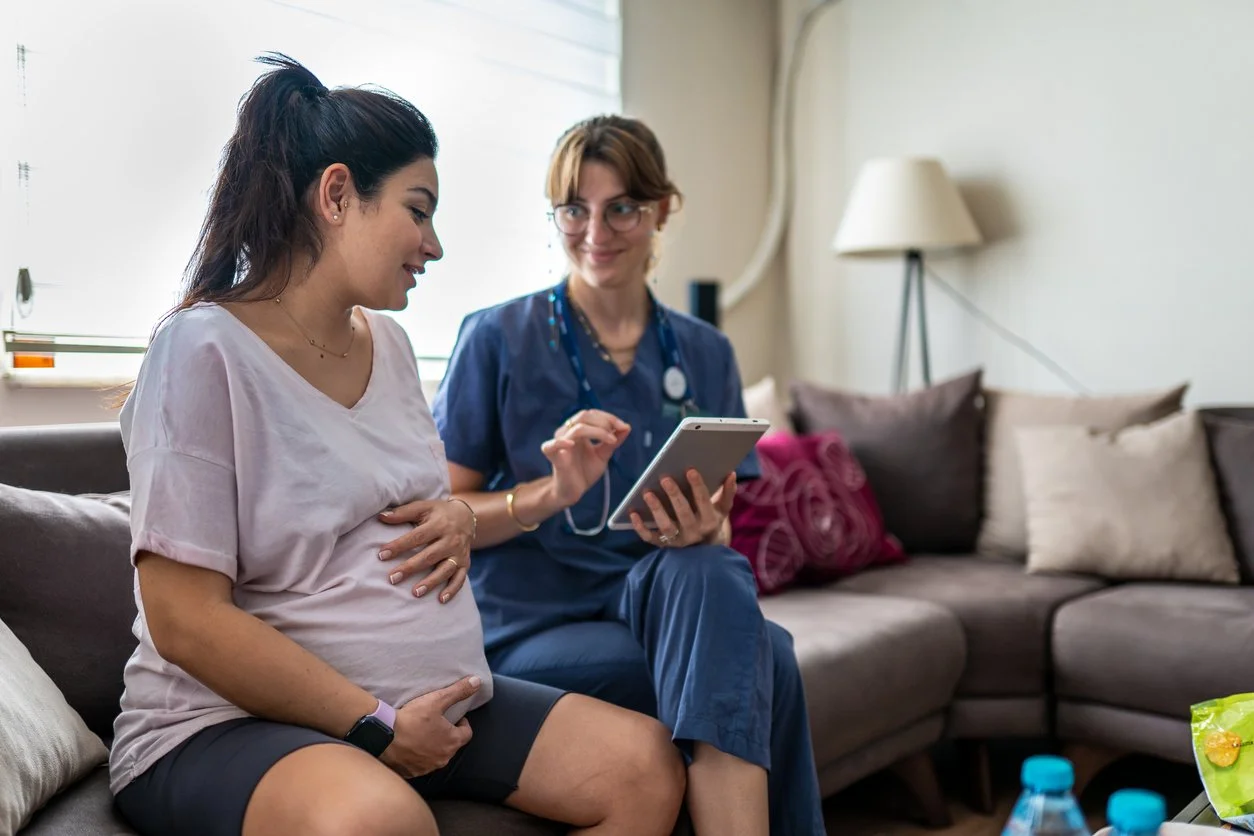
Pregnancy and postpartum can be vulnerable periods for anyone. For people with substance use disorder (SUD), stigma, misinformation, and fragmented systems can make it even harder to seek care, understand available options, and feel safe asking for help.
Aurrera Health Group recently organized and facilitated a workshop during the DHCS SUD Integrated Care Conference in Long Beach, California, bringing together panelists with clinical, community-based, and lived experience to discuss improving care for pregnant and parenting people with SUD. Speakers included John Nuhn of Ventura Family Medicine Residency & Addiction Medicine Fellowship; Lisette Carmona, Social Work Manager and Clinical Instructor of Family Medicine in the University of Southern California’s Street Medicine Division; Camilo Zaks, Clinical Associate Professor of Family Medicine and Medical Director of USC Street Medicine; and Vanessa Ramos, Senior Advisor at Disability Rights California.
Their message was both clear and hopeful: Compassionate care is foundational, and evidence-based treatment options exist. The conversation surfaced several opportunities to strengthen care for pregnant and parenting people with SUD.
Make compassion the foundation of care
Pregnant and postpartum people who use substances are often stigmatized and dehumanized in health care settings. Judgmental language, assumptions about parenting abilities, and fear-based interactions can erode trust and discourage people from returning to care. Compassion and respect are essential to engagement.
Pair evidence-based treatment with individualized support
Medications for opioid use disorder (MOUD) can be used safely during pregnancy and postpartum and are the standard of care. Treatment planning should account for personal preferences as well as practical realities such as transportation, scheduling, housing instability, and prior negative experiences with the health care system. Doulas, particularly those with relevant lived experience, can help individuals navigate care options, advocate for their preferences, and improve the birth experience.
Use flexible, low-barrier models to meet people where they are
Traditional, consistent, and clinic-based care can be difficult to access, especially for people experiencing homelessness, competing family responsibilities, or those with a history of mistreatment in medical settings. Street medicine and other low-barrier models can bring pregnancy and postpartum care to people where they are, and foster connections to treatment and other supportive services. While these approaches are not intended to replace comprehensive obstetric care, they recognize that care delivered in a non-traditional setting may be the most feasible point of engagement.
Expand housing and postpartum support that keeps families together
Recovery housing is often difficult for parents to access because many programs cannot accommodate children. Limited family-centered housing options can force parents to choose between recovery support and remaining with their children. Investments in family-centered housing and extended postpartum services can help individuals stabilize recovery while prioritizing keeping families together.
Communicate often and avoid surprises
Transparent communication by health professionals helps people make informed decisions and reduces the risk of unexpected actions that can damage trust. Providers should explain processes in plain language, check for understanding, invite questions, and revisit the conversation as circumstances change. They should also be clear and upfront about what triggers mandated reporting.
Build local partnerships and train the workforce
Strong relationships among hospitals, community-based organizations, patient advocates, and local government can create more coordinated care pathways. Training the workforce that interacts with pregnant and postpartum people with SUD is also important. Although there is a well-established evidence base for caring for pregnant and postpartum people with SUD, misinformation and stigma continue to exist across the health care workforce.
Improving care for pregnant and parenting people with SUD requires more than a single program or policy change. It requires a connected system in which people are treated with dignity, can access evidence-based treatment, and receive practical support before and after delivery.
To learn more about the services Aurrera Health provides on substance use disorder policy and maternal and child health, contact Kelly Murphy.
Authors
![Courtney Kashiwagi [Director]](https://images.squarespace-cdn.com/content/v1/66902b12f1fed363b0b53399/1749578743589-4R7YQ31612TAHO685RUI/Courtney+Kashiwagi.jpg)
![Sarah Leff [Deputy Director]](https://images.squarespace-cdn.com/content/v1/66902b12f1fed363b0b53399/1749582160103-NF8BJ12TVUX2KBTP7RAG/Sarah+Leff.jpg)